
Gold Anklets: The Complete Buying Guide (Styles, Lengths & Prices)
 What Is an Anklet?
An anklet is a chain or cord worn around the ankle, and it's one of the oldest jewelry forms there is: anklets have been worn in Egypt since ancient times, across South Asia for centuries, and through just about every culture that ever worked gold. It's also one of the most underrated pieces in gold today. An anklet is subtle from across the room but eye-catching up close, which is a rare combination.
Anklets run on the same chains as necklaces and bracelets, just sized for the ankle. That means everything you know about chain styles applies, and we cover all of them in our gold chain styles guide.
The Anklet Styles We Make
- Gold anklet. The core category: solid gold anklets in every chain construction. Start with the full gold anklet collection.
- Rope anklets. The twisted rope build at ankle length. Our hand made rope anklet is the classic twisted version, the Milano rope anklet is the tighter, more refined weave, and the faceted sparkle version is the diamond cut rope anklet. There's even a tri-color rope anklet in yellow, white and rose gold.
- Snake anklet. The smooth, flexible tube chain at ankle length. The round snake anklet lies perfectly flat against the ankle bone, one of the most comfortable ways to wear the style.
- Station anklets. A chain with small beads or stations spaced along it. The gold station anklet catches light at every point as you walk.
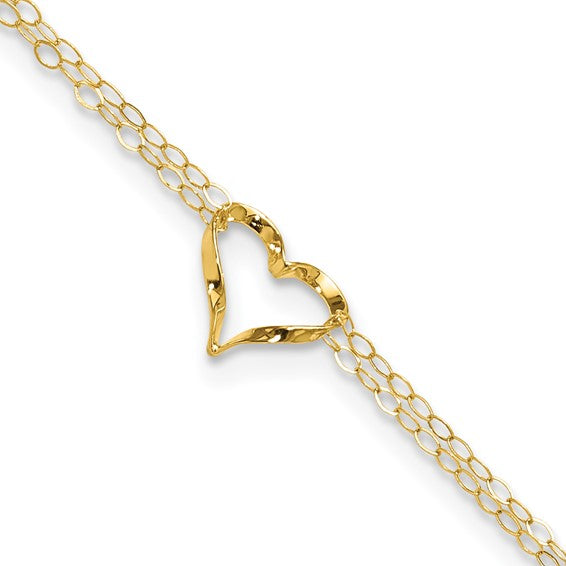
- Charm anklets. A chain with a charm focal point: the gold heart anklet, the nautical gold anchor anklet, the natural gold leaf anklet, and the whole silver animal anklet family for charms from elephants to dolphins.
- Silver anklet. The same constructions in sterling silver. The silver anklet collection delivers the identical look at a silver price.
Anklet Length: How to Get the Right Fit
Anklets are sized in inches, and the standard sizes are 9, 10 and 11 inches. Here's how to find yours: wrap a soft measuring tape or a piece of string around your ankle at the narrowest point, snug but not tight. Add half an inch to one inch to that measurement. The result is your anklet length.
Fit matters more with anklets than with most jewelry. Too tight and the chain digs in when you flex your foot; too loose and it slides under your heel and catches on shoes. A well-fitted anklet sits at the ankle bone with a little drape, moving when you walk but staying put. If you're between sizes, go up: an ankle chain with a slight sag looks intentional, a tight one never does.
How to Wear an Anklet
Either ankle works, there's no rule. Most people wear anklets on the right if they're right-handed simply because it's the side people see, but it's pure preference. The style reads best with flats, sandals, sneakers or barefoot, and a fine gold anklet with a summer sandal is one of the classic warm-weather looks in jewelry. For a fuller look, stack two: a fine rope anklet with a station anklet gives you two textures and two points of light.
10K, 14K or 18K?
10K is the most affordable and most scratch-resistant, 14K is the everyday standard with the best balance of color and durability, and 18K gives the deepest gold tone. Anklets take more incidental contact than necklaces do (shoes, pedals, boots), so many buyers lean 10K or 14K here. The full comparison is in our 10K vs 14K gold guide.
Caring for a Gold Anklet
Anklets live closer to the ground, so give them a rinse after beach and pool days and keep them away from chlorine, which dulls gold over time. A monthly clean with warm water, mild soap and a soft brush keeps the links bright. The full routine is in our gold jewelry cleaning guide.
Who the Anklet Is For
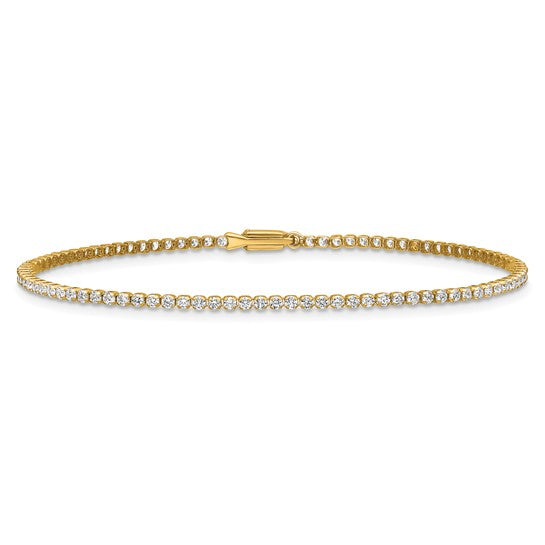
Anyone who wants a piece that's personal rather than loud. Anklets don't announce themselves across a room; they're discovered. If you're building out a full gold set, pair one with a tennis bracelet or a piece from the gold bracelet collection, and read our gold bracelets style guide for the wrist side of the wardrobe.
Comments