
The Real Cost of Free Jewelry: Why Free-Product NIL Deals Fail the Jewelry Industry
Every week, jewelers across the country get the same message: "My athlete will wear your jewelry for free product, plus a payment, and the exposure will bring you business."
This page is the honest, numbers-based answer to that pitch. Nothing here is negative toward athletes. Athletes did nothing wrong: they're working with the deal structure the industry itself taught them to ask for. The problem is the structure. Here's why free-product deals don't hold up as a business model, for the jeweler or for the industry, and what a workable version looks like instead.
What a "Free Jewelry" Deal Actually Costs
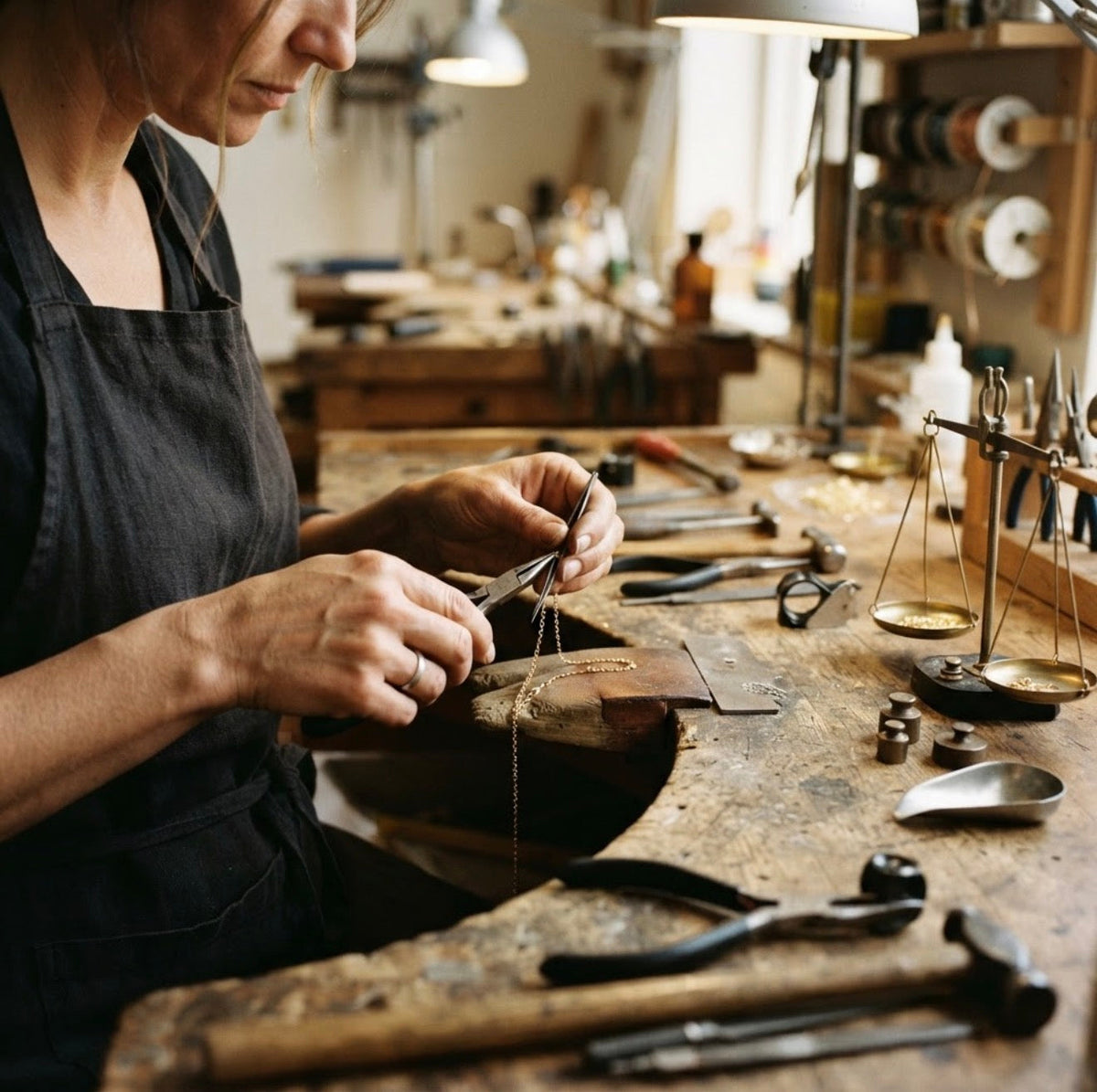
Free jewelry isn't free to make. A custom chain or a fitted set of grillz carries real costs: metal at market price, stones, labor, custom fitting, and shop time. When a jeweler hands that over for nothing, it isn't like donating an ad budget. It's the same as handing away inventory that took real money to build.
No other industry is asked to work this way. Nobody asks a car dealership for a free truck because a player will drive it on Saturdays. But jewelers get this exact pitch weekly, because somewhere along the line, "free jewelry for athletes" became a norm.
The Numbers From an Actual Free-Product Program
Seattle Gold Grills ran the experiment at full scale. Last year we worked with 106 athletes. Here's the outcome:
- 10 out of 106 athletes brought actual business to the company.
- 96 out of 106 wore the jewelry, looked good wearing it, and never sent a single paying customer.
That's a conversion rate under 10 percent, and it isn't a criticism of the 96. They did exactly what the deal paid them to do: wear the piece. The deal design was the flaw. It rewarded wearing, not bringing. If a program pays out product and money for appearances, appearances are what it gets.
Now scale that across the industry. Every jeweler running a free-product program is buying lottery tickets with real inventory, and the house edge is brutal: roughly nine out of ten deals return nothing at all.
What Free Jewelry Does to a Brand
Here's the part most people don't see coming. The moment a store gives jewelry away, that's its new reputation. The athlete tells people where he got it, and he tells them it was free. Word travels through locker rooms, group chats and coaching staffs. Within a season, the store isn't known as the jeweler with the best product. It's known as the sponsor that gives jewelry away.
That label changes who walks through the door. Instead of customers who respect the craft and are ready to buy, the traffic becomes deal-seekers: people arriving because they heard jewelry here is free, or nearly free. The store spent its inventory to attract an audience that will never open its wallet. It's a slow drain, not a growth engine. This is exactly why serious jewelry companies stopped free-product programs entirely.
The Race to the Bottom
The alternative to free product is partnership pricing: a real discount in exchange for real promotion. That was, hands down, the best business we ever did with athletes. When it worked, it worked well.
But partnership pricing introduced a second problem, and this one hurts the whole industry, not just one store. Partnership quotes travel. An athlete takes your discount number, sends it to jewelers across the country, and asks who will beat it. Then that quote travels further, and further, until someone desperate enough undercuts everyone. The business doesn't go to the shop with the best craftsmanship. It goes to whoever races to the bottom first.
That's the real damage of the freebie-and-discount economy: it makes price the only thing that matters. Jewelers who invest in solid gold, proper fitting and clean setting work can't survive on race-to-the-bottom prices, so they exit the athlete market. The athletes left shopping in it get thinner gold, weaker settings and worse product. Nobody wins, including the athletes.
Why This Matters to Athletes Too
A free-product deal teaches an athlete nothing about business. There's no deliverable, no performance metric, no skill being built. Compare that to a real partnership, where an athlete learns to represent a brand, hit content targets, and track what they actually produce. Those skills transfer to every negotiation after eligibility ends. The free chain is a one-time payout. The partnership experience compounds.
What a Real Partnership Looks Like
Free product isn't the only way athletes and jewelers work together. The model that actually functions has three components:
- Both sides have skin in the game. The athlete promotes deliberately; the jeweler supports with product and terms. Neither side is a charity.
- Performance-based growth. The better an athlete performs for the brand, real customers, real traffic, real orders, the bigger the deal gets. No cap.
- Deliverables on both sides. Clear expectations, clear tracking, long-term thinking. Not "post it once and see."
If you're an athlete or a manager and you can bring those three things to the table, jeweler doors open, including ours: apply for the Seattle Gold Grills athlete partnership program. If the pitch is free jewelry plus a cash payment for wearing it, the honest answer is no, and now you know exactly why.
More background, from the athlete's side of the table: how to get a NIL deal with a jewelry store, the honest answer, and why most NIL jewelry deals don't work.

Comments